Consumer prices rose 3.7% in September from a year earlier, the Bureau of Labor Statistics reported Wednesday, Oct. 14. That is up from 3.4% in August and 3.0% in September 2025, and slightly hotter than the 3.6% economists had forecast, according to a summary of the release published by the Wichita Liberty, a Kansas policy site. On a month-to-month basis, prices rose 0.6%, up from 0.4% in August.
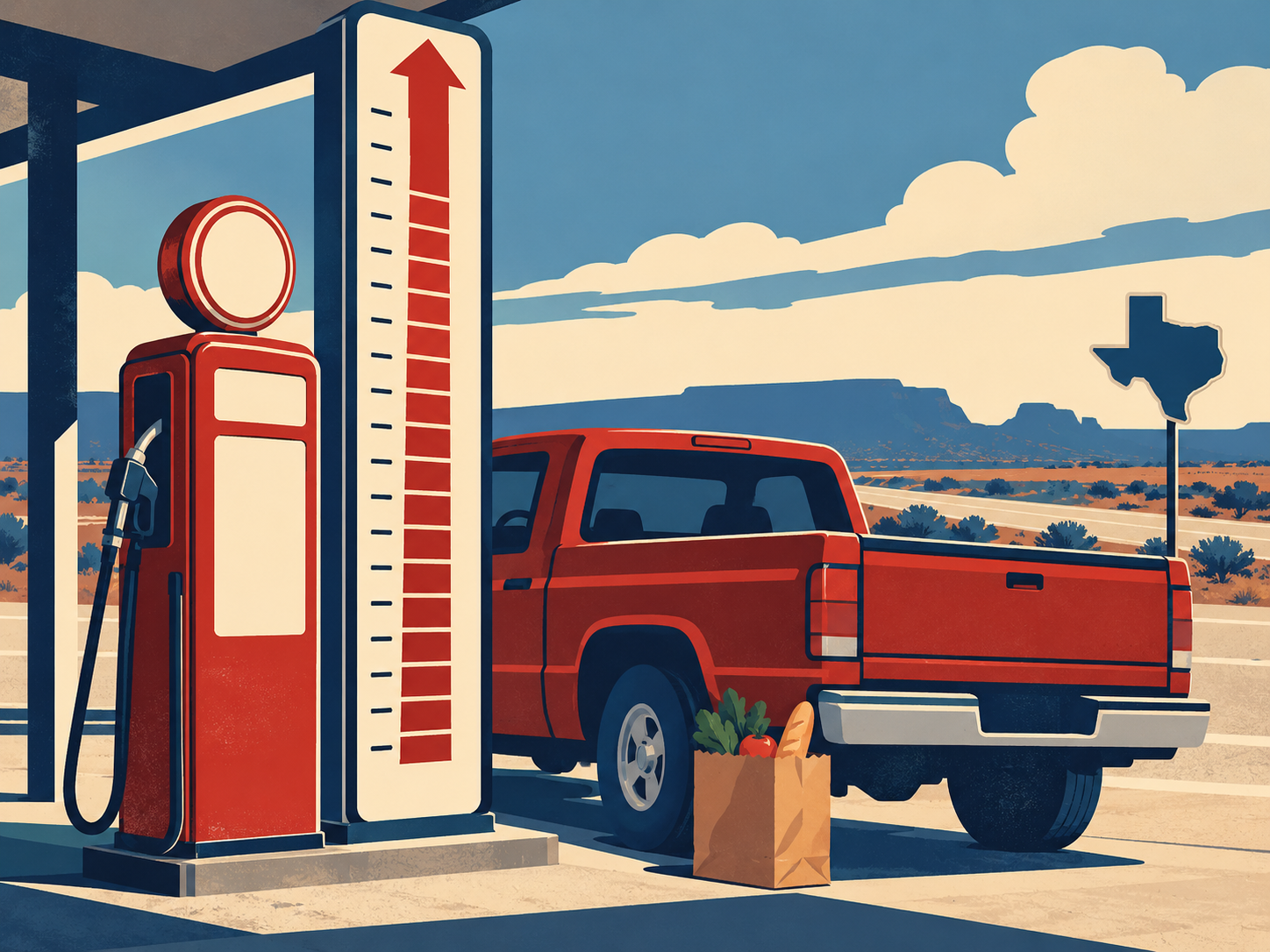
Energy did the heavy lifting. Gasoline rose 9.1% in the month on a seasonally adjusted basis and 34.2% over the year, and the BLS says gasoline accounted for more than half of the monthly increase. Overall energy prices were up 5.2% for the month and 20.4% over the year, and fuel oil rose 74.2% over twelve months. AAA put the national average for regular gasoline at $4.33 a gallon, Spectrum News reported, which is $1.35 more than before the Iran war began.
Outside energy, the picture is calmer. Core inflation, which strips out food and energy, was 2.6% over the year, up from 2.4% in August, with a 0.3% monthly gain that topped forecasts. Food prices were flat for the month and up 2.5% over the year; grocery prices fell 0.1% in the month, with beef, milk and eggs getting cheaper while fruits and vegetables rose. Housing costs rose 0.4% in the month and 3.2% over the year, rent rose 0.2%, and airline fares were up 22.4% over twelve months. Prescription drug prices fell 1.2% in the month. Spectrum also reported that the producer price index, which tracks what businesses pay, rose 6.3% in September from a year earlier, above expectations.
The Federal Reserve raised its target range to 3.75%–4.00% on Sept. 16, according to the Wichita Liberty summary, and its next meeting is Oct. 27–28. The same summary reported roughly a 63% chance of a hold and a 37% chance of another quarter-point hike after the report; those odds come from a market tracker and will move.
The numbers are landing in the middle of a campaign season. Spectrum reported that an AP-NORC poll from the prior week found 25% of Americans approve of President Trump's handling of the economy, and that a Pew Research poll found 84% of registered voters call the economy very important to their vote. Trump has described the price increases as temporary and, at a Wednesday rally in Montana, said “We have the lowest level of poverty ... we have the highest level of individual wealth.” Some Republican candidates, including Mike Rogers in Michigan and Sen. Roger Marshall of Kansas, have said they want the Iran war to end quickly; other Republicans have defended the administration.
Why it matters to Texas readers. Texans drive more miles than almost anyone, and a 34% rise in gasoline over a year hits rural families, ranchers and commuters first. Texas also produces much of the oil behind those prices, which is why the state's economy and its household budgets can pull in opposite directions at the same time. Our reporting on the Permian drilling count and on San Antonio's rising water rates shows the same squeeze at the local level. Honest accounting means noting both the energy-driven spike and the fact that core inflation remains lower.
Open question: this outlet could not retrieve the BLS release page directly and relied on the Wichita Liberty and Spectrum News summaries of it; readers should confirm the figures at bls.gov.